← All articlesRoofing BasicsReplacement
The Best Roofing Materials for Florida Homes: Shingle vs. Metal vs. Tile
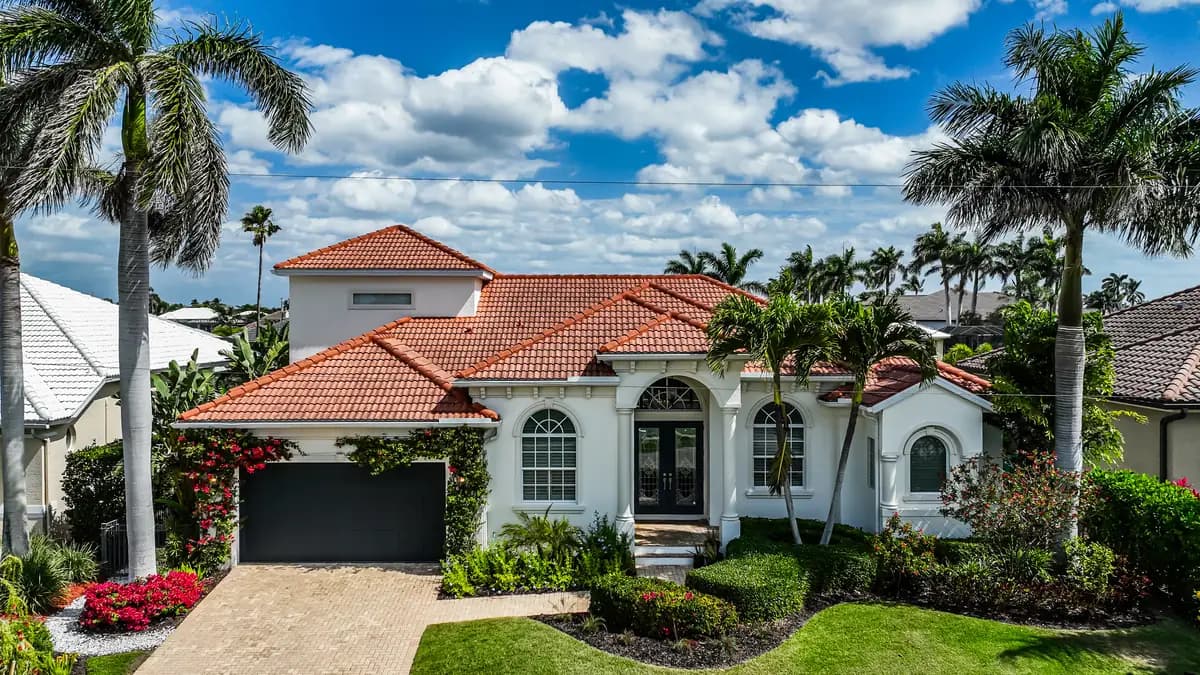
There's no single best roofing material for Florida. Asphalt shingles, metal and tile cover nearly every home in the state, and each one can be the right choice. The best one for you depends on four things: your budget today, how long you plan to stay, how close you live to salt water and what your home and HOA allow.
Here's the short version, then the details for each material.
Quick Comparison
| Asphalt Shingles | Metal | Tile | |
|---|---|---|---|
| Upfront cost | Lowest | About 2–3× shingles | Highest |
| Florida lifespan | 15–25 years | 40–70 years | 50+ years (underlayment 20–25) |
| Weight | Light | Lightest | Several times heavier than shingles |
| Heat | Absorbs the most heat | Reflects the most heat | Shades the deck; air gap below tiles |
| Salt air | Fine | Aluminum near the coast | Fine |
| Repairs | Easiest and cheapest | Panels need a metal specialist | Tiles crack if walked on |
| Best for | Tighter budgets, shorter stays | Long-term owners, coastal homes | Stucco and Mediterranean homes, HOAs |
In short: shingles win on upfront cost, metal wins on lifespan for the money and heat, and tile wins on lifespan and looks if your home can carry the weight.
Asphalt Shingles: The Budget-Friendly Florida Standard
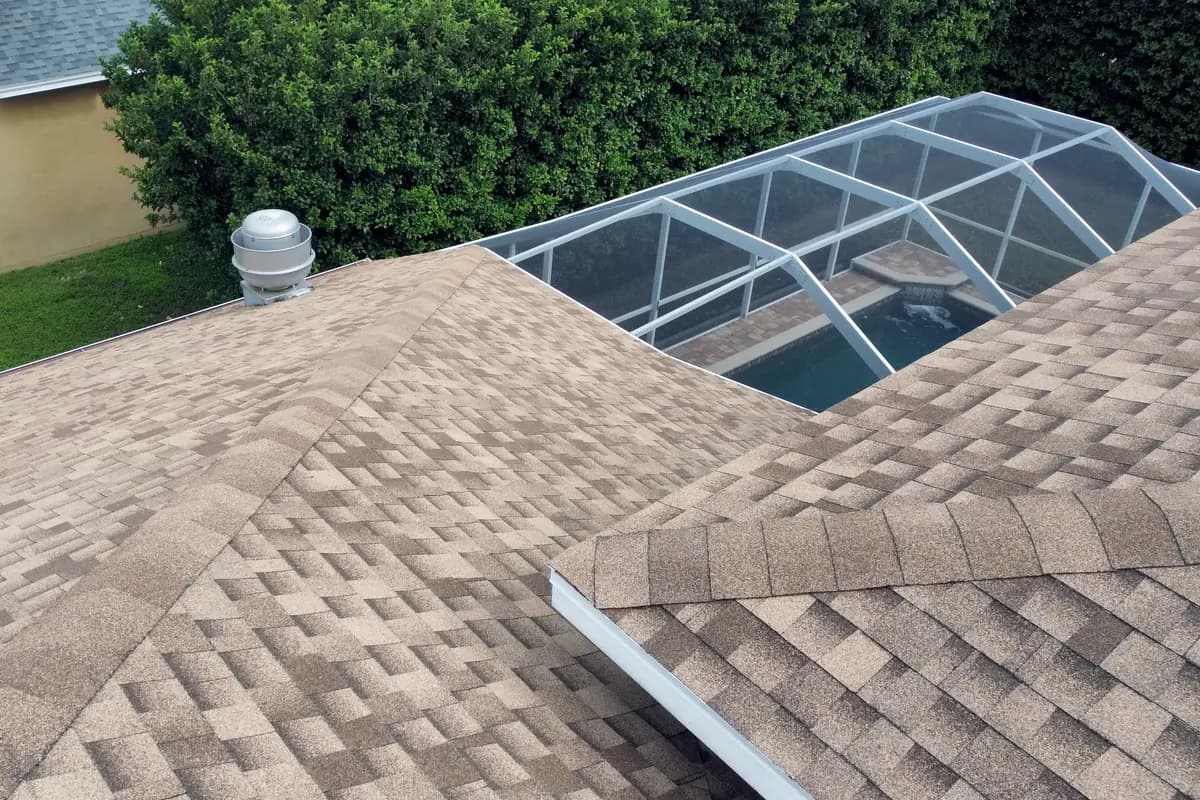
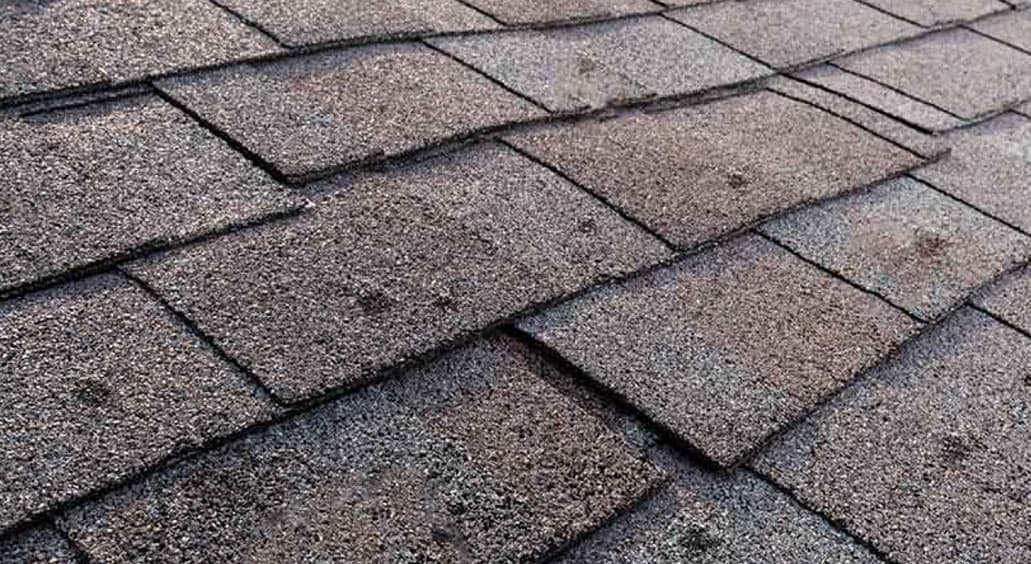
Shingles are the most common roof in Florida because they cost the least up front, suit almost any home and go on fast. Most homes are re-roofed in a few days, and repairs are quick and inexpensive.
Why homeowners choose shingles
- Lowest upfront cost of the three, by a wide margin
- Wind-rated for Florida: architectural shingles are rated for winds up to 130 mph when they're installed correctly, with the right nailing pattern, starter strips and sealed edges
- Easy to repair: a few blown-off shingles after a storm is usually a small job
- Lots of colors and styles, including designer shingles that mimic slate or shake
The trade-offs
- Shortest life in Florida heat: about 15–25 years, compared with the 25–30 that manufacturers advertise. UV, heat and afternoon storms age them faster here. How long does a roof last in Florida? explains why.
- Absorbs heat, especially darker colors, which makes good attic ventilation important
- Algae streaks in humid shade, though most shingles now include algae-resistant granules (more on roof algae)
- Insurance: older shingle roofs can be harder to insure, so you'll likely face the replacement question again sooner
If you're comparing shingle types, architectural shingles are the standard for Florida re-roofs today. Our 3-tab vs. architectural shingles guide covers the difference.
Choose shingles if your budget is the top priority, you may sell within 10–15 years, or you want the simplest roof to maintain and repair. See our shingle roof page for options.
Metal: Long Life and Cooler Attics
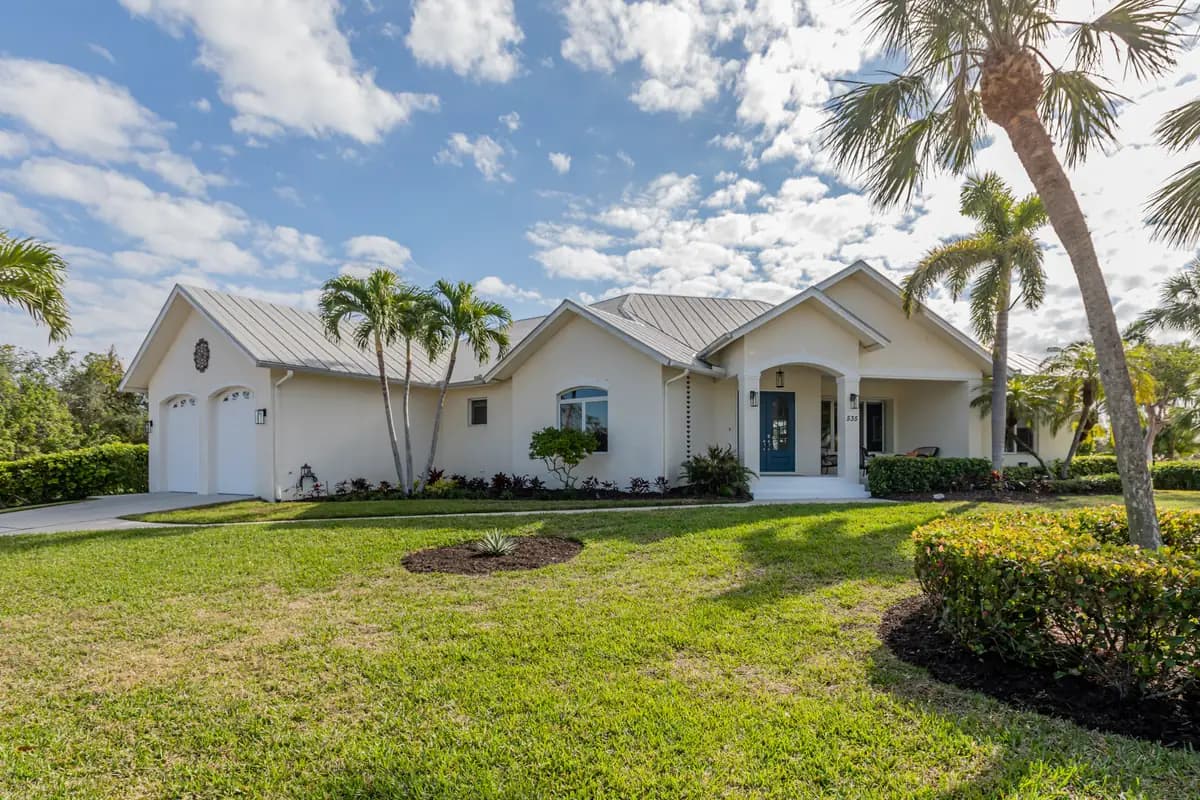
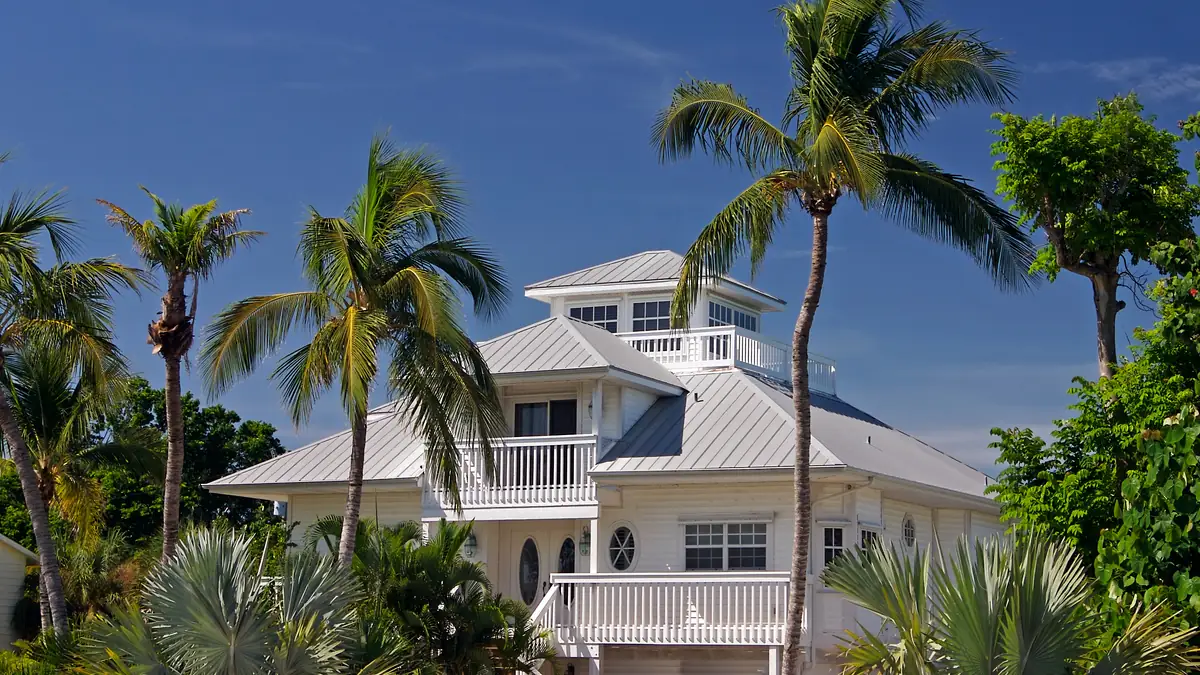
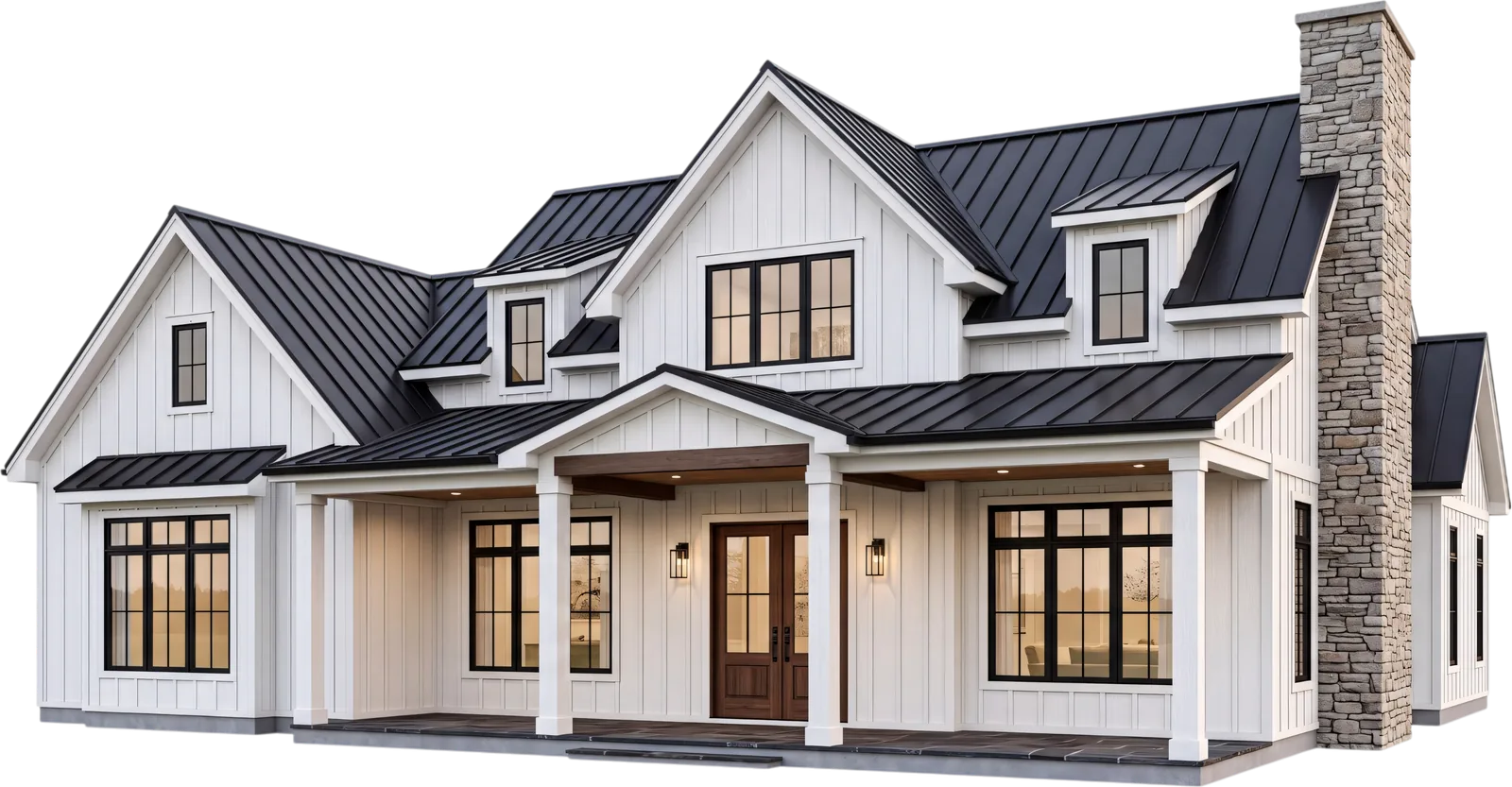
Metal costs more up front, often two to three times as much as shingles, but it can outlast two or three shingle roofs. It's also the lightest of the three and handles Florida's sun and storms very well.
Why homeowners choose metal
- Lasts 40–70 years. Standing seam roofs, with their hidden fasteners, usually last the longest.
- Reflects heat: light and "cool roof" finishes bounce back much of the sun's heat, so the attic stays cooler and the AC works less
- Sheds rain fast and doesn't rot, grow algae or lose granules
- Strong in high winds when the panels and clips are fastened to code
- Lightest roof of the three, so it works on almost any structure
The trade-offs
- Higher upfront cost, which only pays off if you stay long enough to use its long life
- Salt air matters: within a few miles of the Gulf or the Atlantic, aluminum is the safer choice. Many steel panel warranties limit coverage near salt water. Our guide to the best metal roofs for coastal homes goes deeper.
- Exposed-fastener panels (5V crimp and similar) cost less, but their screws and washers need checking and replacing over the years
- Not every crew installs it well. Metal is less forgiving of shortcuts than shingles, so hire a roofer who does a lot of it.
A common worry is noise. Over solid decking and underlayment, the way homes are roofed in Florida, a metal roof in the rain sounds about like any other roof.
Wondering whether standing seam is worth the extra cost? See is a standing seam metal roof worth it?
Choose metal if you plan to stay 15 years or more, want the coolest attic, or live near the coast (in aluminum). See our metal roof page for systems and colors.
Tile: Classic Florida Looks That Last for Decades
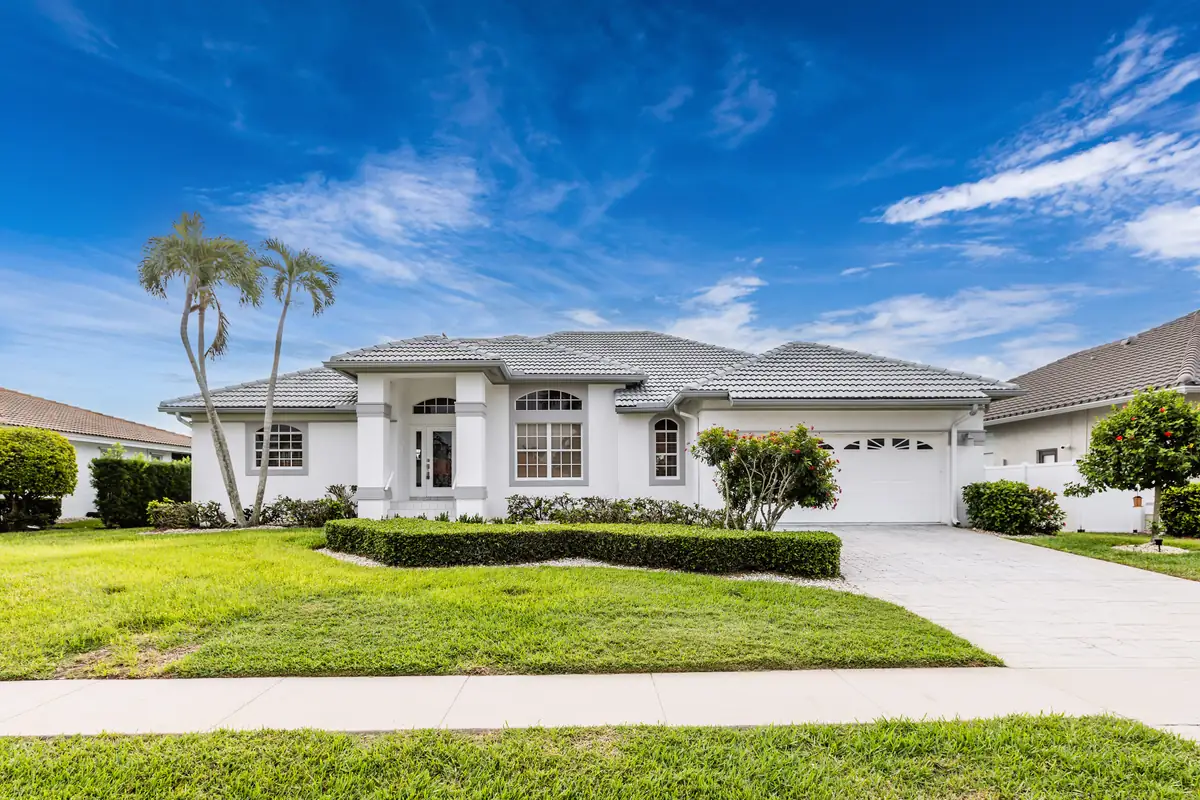
Tile is the classic roof on Florida stucco homes, and in many communities it's what the HOA requires. Concrete tile is the most common; clay is the traditional terracotta, costs more and holds its color for life.
Why homeowners choose tile
- Tiles last 50 years or more and don't fade the way shingles do (clay never fades)
- Handles heat well: the tiles shade the roof deck, and the air gap underneath slows heat getting into the attic
- Won't rot, burn or corrode, and stands up to salt air
- Strong in hurricanes when installed to the Florida Building Code, with each tile fastened by foam adhesive or screws
- Curb appeal and resale on Mediterranean, Spanish and other stucco-style homes
The trade-offs
- Highest upfront cost of the three
- The underlayment wears out first. The tiles may last 50 years, but the waterproof layer underneath usually needs replacing after about 20–25 years in Florida heat, and that's what most tile leaks come down to. Replacing it means lifting and resetting the tiles.
- Heavy: tile weighs several times as much as shingles. If you're switching from shingles to tile, the roof structure has to be checked first.
- Cracks under foot or flying debris, so only roofers should walk on it, and matching older tile colors for repairs can be hard
Choosing between concrete and clay? Read clay vs. cement roof tiles and how long a tile roof lasts in Florida.
Choose tile if you're staying for the long haul, your home is built for it, or your HOA calls for it. See our tile roof page.
How Each Roof Handles Hurricanes
All three materials can be installed to meet Florida's wind requirements, and a new roof must be built to the Florida Building Code for your area. Miami-Dade and Broward have the strictest rules of all (the High-Velocity Hurricane Zone).
In practice, installation decides how a roof does in a storm more than the material does. The details that matter most are:
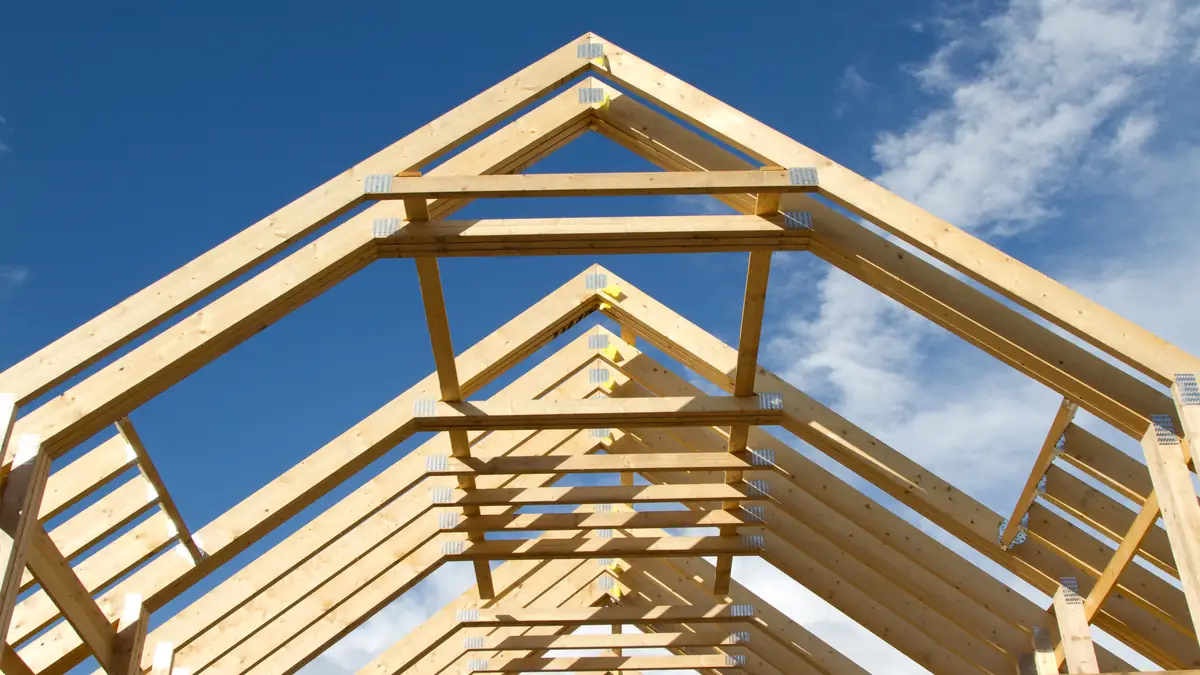
- How the roof deck is nailed down to the trusses
- A secondary water barrier, so rain stays out even if some roofing blows off
- Edge metal, starter strips and ridge details, where wind damage usually starts
- For tile, the right fastening for each tile; for metal, the right clip and screw spacing
Roof shape matters too: hip roofs (sloped on all four sides) generally hold up better in high winds than gable roofs.
An insurance note: after a re-roof, ask your insurance agent about a wind mitigation inspection. Many Florida insurers give credits for things like roof shape, deck attachment and a secondary water barrier, whichever material you choose.
Five Questions That Narrow It Down
- How long will you live here? Under 10–15 years, shingles usually make the most financial sense. Longer than that, metal or tile can cost less over time because you won't re-roof again.
- How close are you to salt water? Near the coast, look at aluminum metal or tile. Shingles are fine too, but skip steel panels.
- What does your HOA allow? Many Florida communities set the material, profile and even the color. Check before you get your heart set on one.
- Can your home carry tile? Going from shingles to tile needs the structure checked. Going from tile to metal or shingles takes weight off.
- What's your budget now versus later? Shingles keep today's cost down. Metal and tile cost more today and much less in replacements down the road. Financing can close the gap.
Not Sure Which Roof Is Best for Your Home?
We install all three: asphalt shingles (as a GAF Master Elite contractor), metal and tile. That means we'll recommend whichever fits your home, budget and plans, not whichever one we happen to sell.
For a ballpark price, try our instant roof estimate, which prices shingle, metal and concrete tile roofs for your home in about a minute. For an exact quote and an honest recommendation, request a free estimate or call us at (813) 657-7663.